Gyanesh Chaudhary
Vice Chairman & Managing Director
Vikram Solar
No surprise there. Nashik-based vineyard Soma Vine Village, one of Artha’s clients, invested in a rooftop solar plant as part of its sustainability goals. “Being the first boutique winery in India to take a step towards sustainable energy, we set up the solar rooftop panels in a way that reduced the structure temperature by two degrees and significantly reduced electricity bills. Looking at the current benefits, we have made arrangements to add another 200 kW to our existing capacity, ”says Pradeep Pachpatil, Winemaker and Chairman & Managing Director.
The C&I segment accounts for nearly 75 percent of rooftop solar installations in India. “Saving on electricity costs is assured for C&I consumers who typically pay a higher tariff to the distribution companies. This, along with other factors, has led several C&I consumers to install rooftop solar where, with some investment and use of unused or waste space in their premises, they are saving on electricity costs, ”says Shashwat Kumar, Partner at law firm Shardul Amarchand Mangaldas & Co.
“Rooftop solar provides one of the cheapest and the most easily adaptable clean energy options. The availability of various capex and opex models coupled with the potential savings in energy charges and rising consumer awareness have contributed to the growth in the C&I segment, ”says Tushar Sud, Partner at Deloitte India.
Not just the C&I segment, the residential solar power segment, which contributes the remaining 25 per cent to India’s solar capacity, is also gaining traction. “There is a very clear demarcation of opex and capex segments in each category. Rooftop solar has now become a ‘pull’ product, especially with customers today demanding advanced technology. Many companies have started exploring the round-the-clock supply of green power by coupling solar rooftop with storage to meet their sustainability needs, ”says Sumit Pandey, CEO of independent power producer Hinduja Renewables.
With increased investor interest in rooftop solar, advanced technologies like the adoption of larger-sized wafer-based modules, use of bifacial modules and installation of solar along with battery storage facilities are being explored in the Indian market. “This is helping entities save significantly on electricity costs, reducing technology as well as installation costs and increasing energy generation,” says Shardul Amarchand’s Kumar.

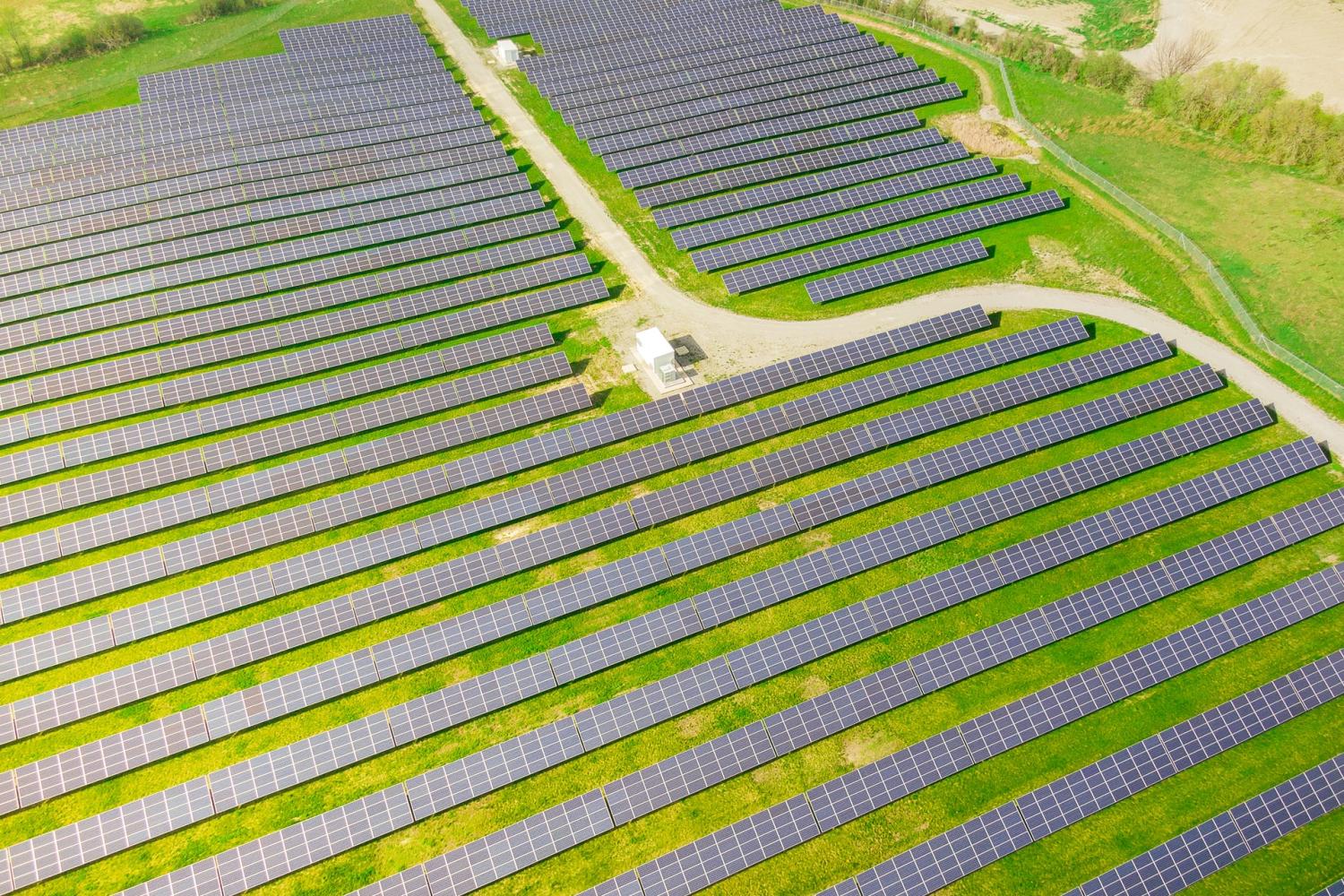
Largest single-shed rooftop solar plant in Eastern India, installed by Vikram Solar.
There are many new and dynamic entrants as developers are offering end-to-end solar project development, financing, engineering, procurement and construction (EPC) and operations and maintenance (O&M) services for homes, SMEs and C&I consumers.
Not everything is hunky-dory. The Covid-19 pandemic disrupted supply chains globally, slowing rooftop solar capacity addition in India. The core businesses of C&I entities were also impacted adversely, causing cash constraints and limited financing options for new projects.
Resistance from distribution companies is another hurdle. “State power utilities often view rooftop as competition instead of [being a] partner. While some states do not allow the opex model, other states force gross metering on customers with Behind-the-Meter (BTM) plants if they opt for open access. Some states limit net metering to 500-1,000 kW, ”says Pandey of Hinduja Renewables. BTM implies the onsite production and consumption of power such as in the case of rooftop solar installations.